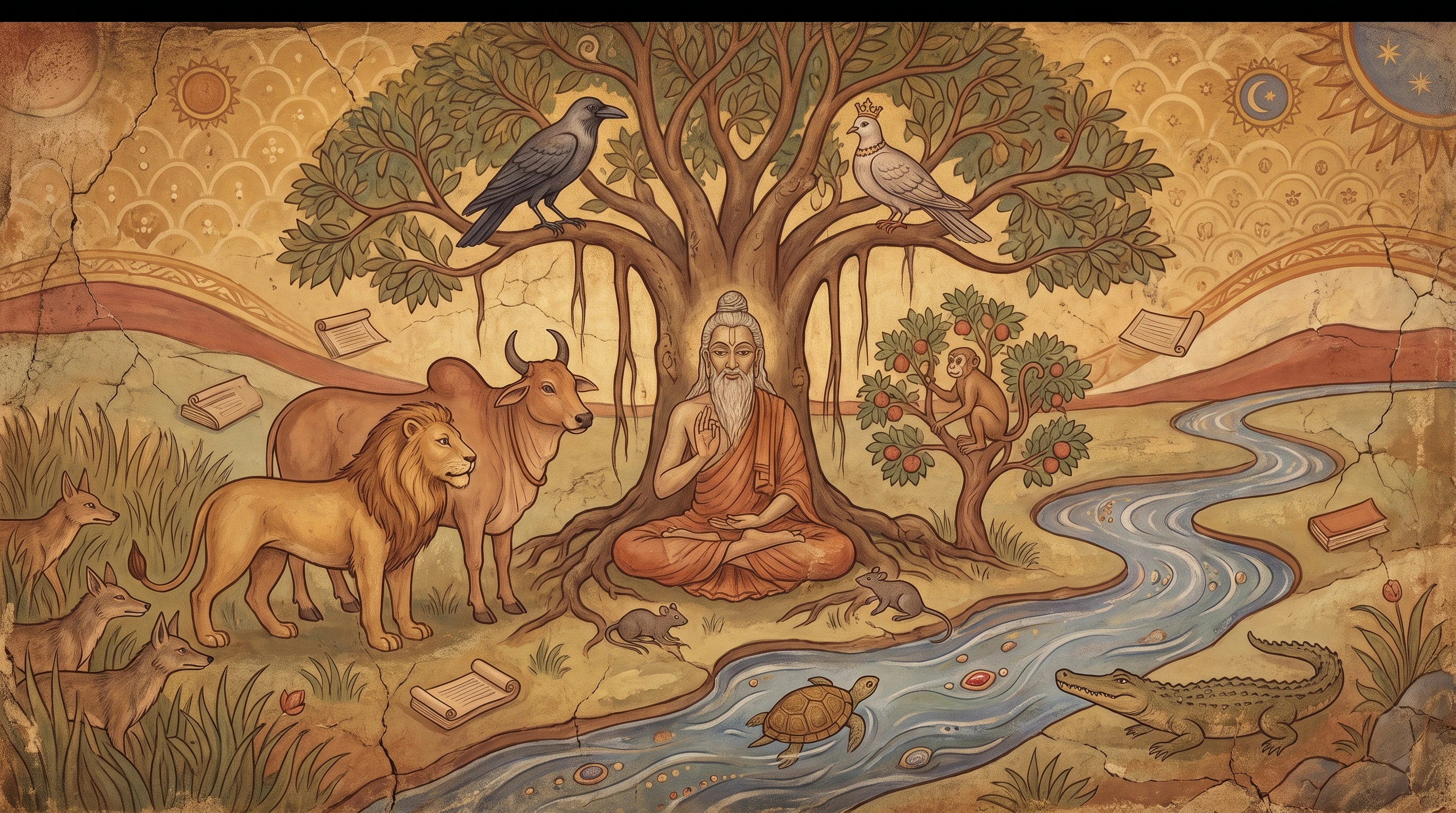
The Panchatantra — Five Books of Wisdom
The classic Arthur W. Ryder translation of the beloved Indian animal fables, arranged in five books of worldly wisdom (niti).
Short on Time?
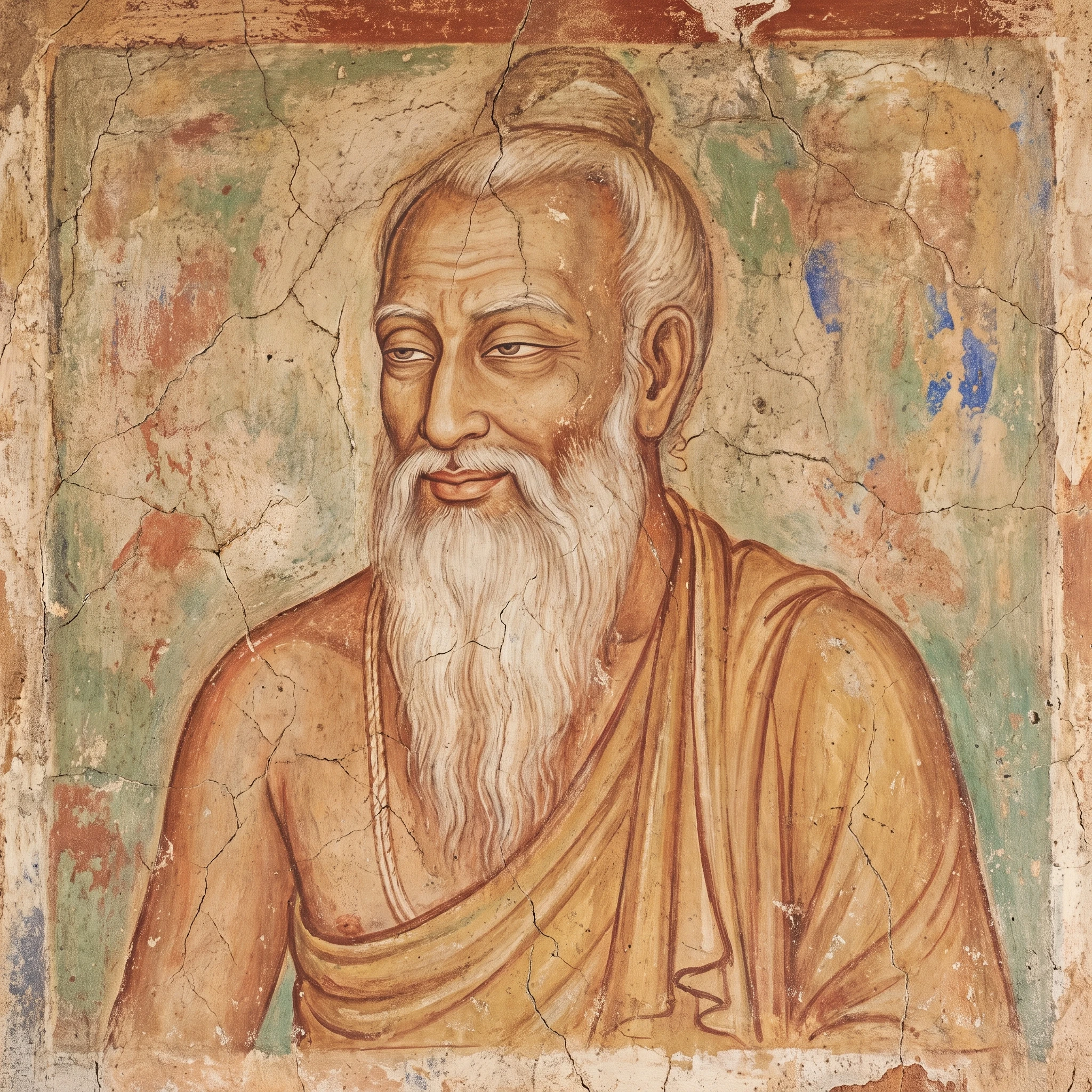
How the Fables Began: Vishnu Sharman and the Three Dull Princes
The Loss of Friends
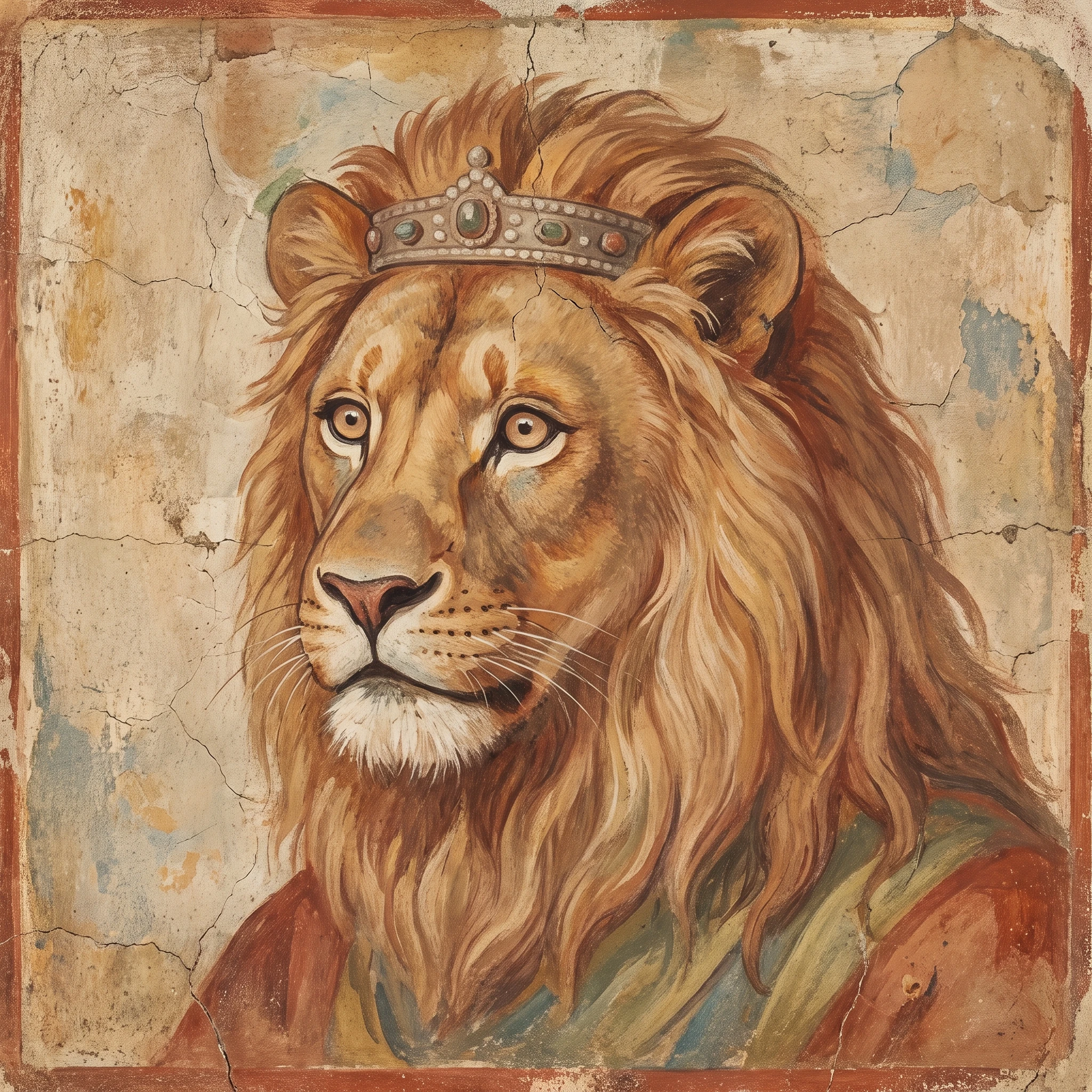
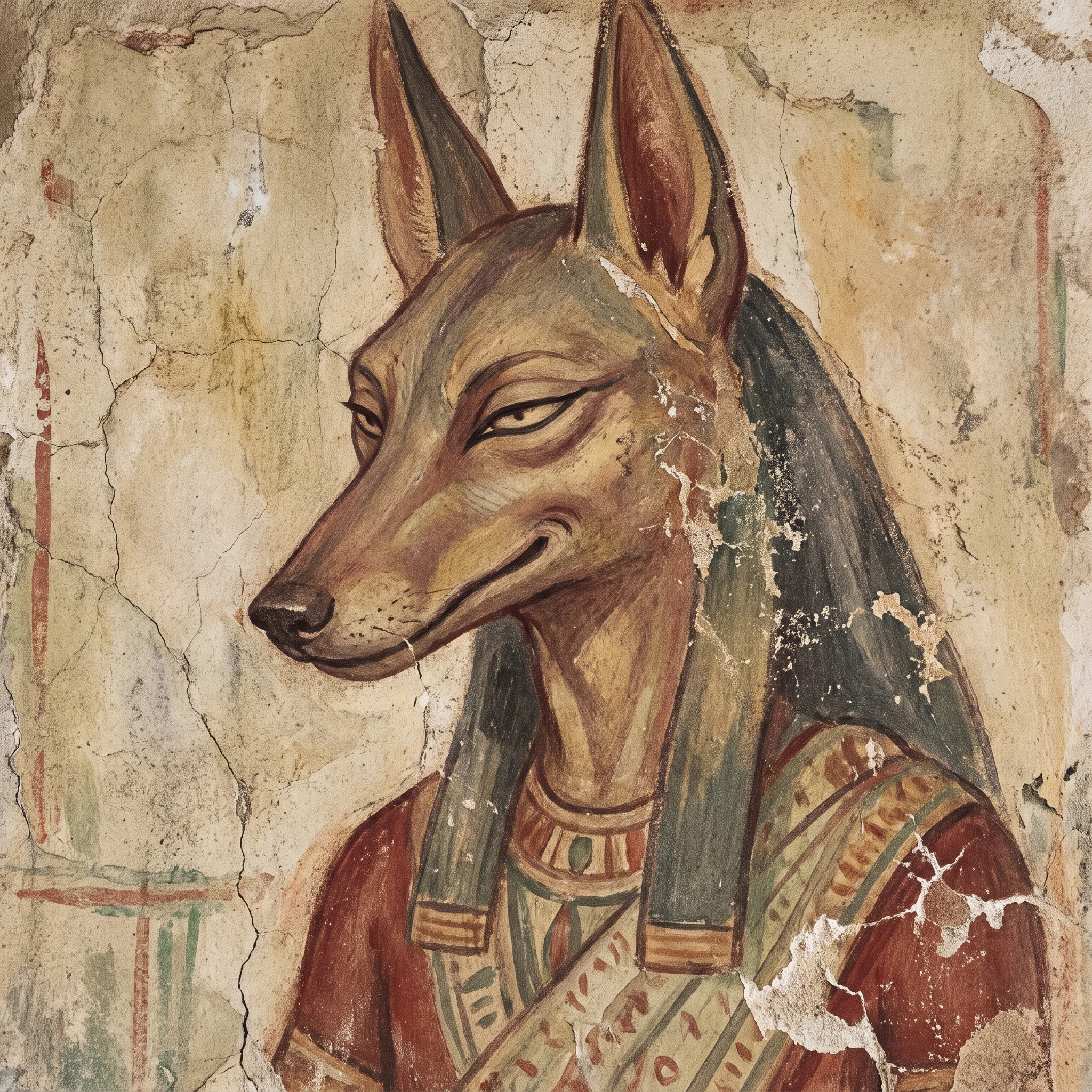
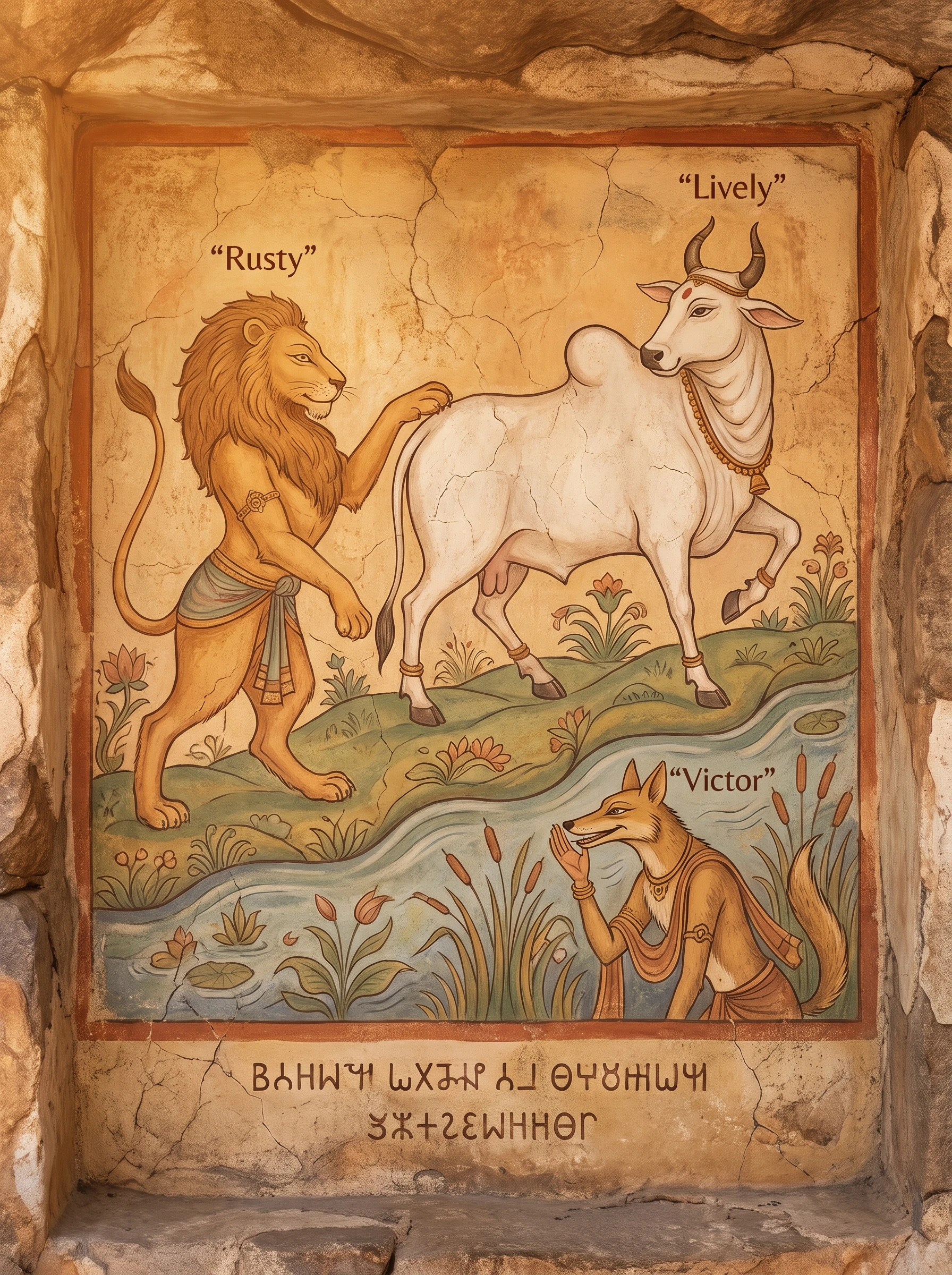
The longest and most famous book. A merchant's abandoned bull, Lively, grows strong by a river and terrifies the lion king Rusty with his bellowing. Two jackal courtiers, Victor and Cheek, watch the lion and the bull become inseparable friends — until the ambitious Victor, resenting his lost influence, sets out to poison that friendship with whispers. His slander works, and the friendship is torn apart, and the book anatomizes exactly how a schemer breaks apart those who should stand together.
The Winning of Friends
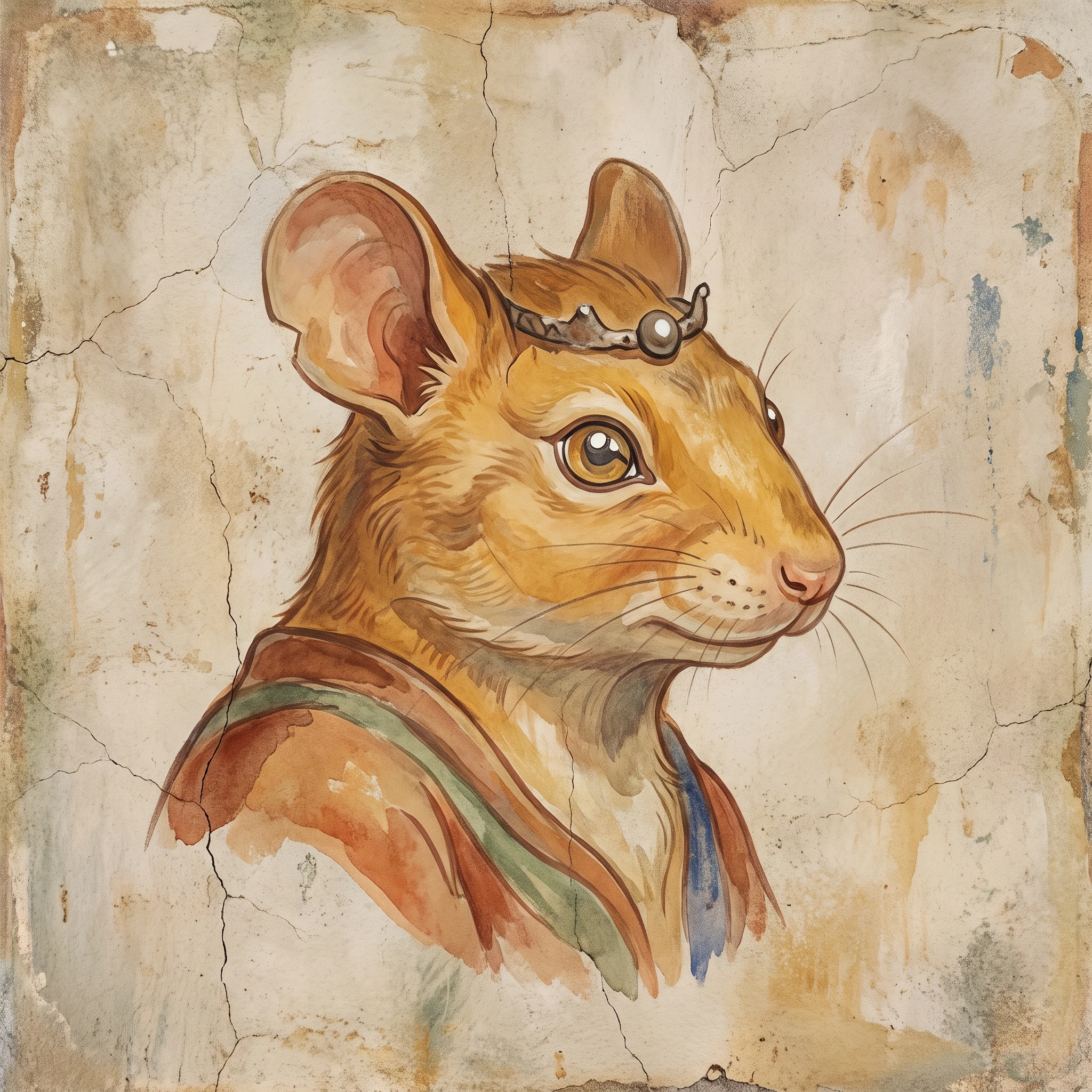
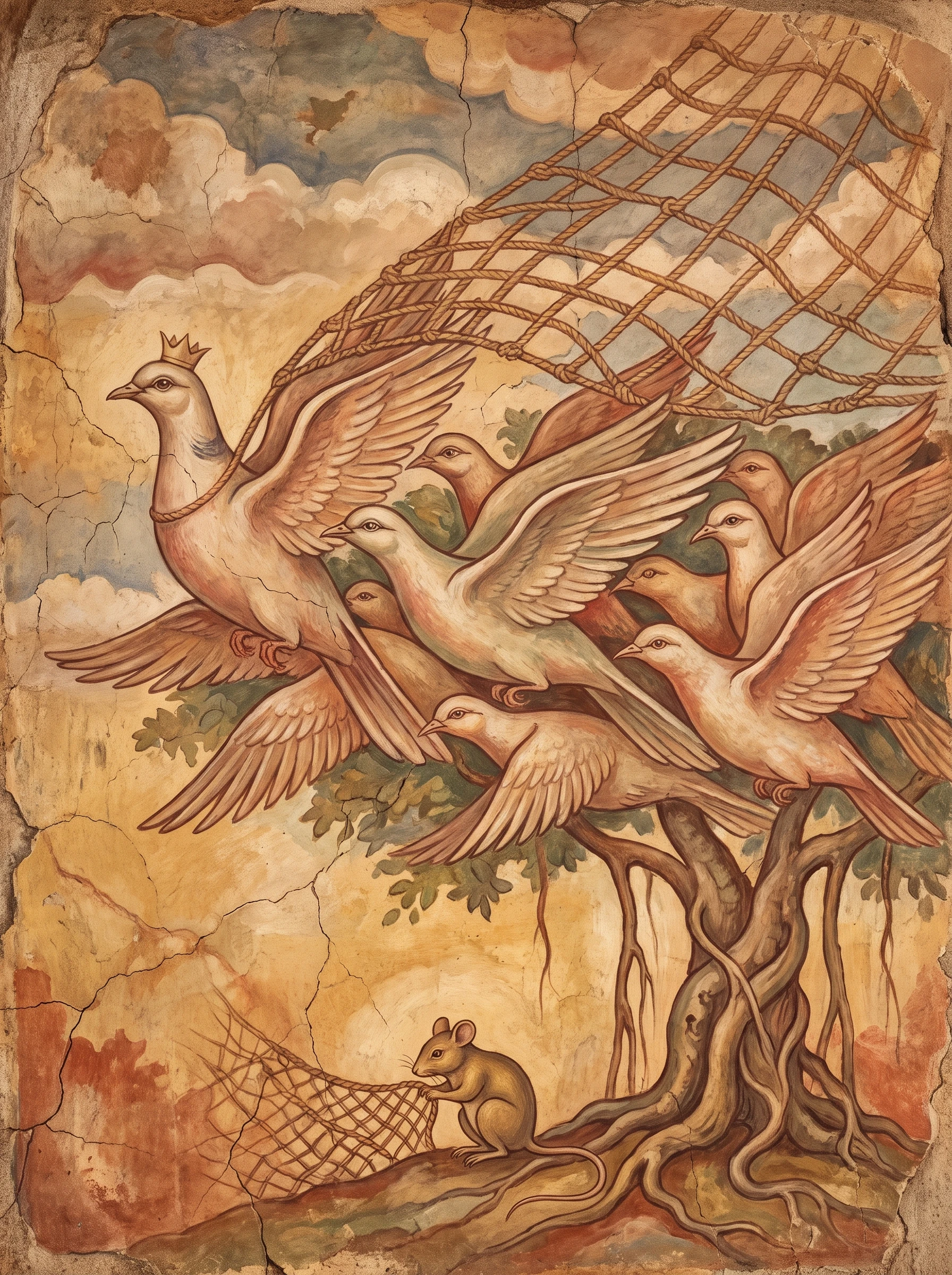
The mirror image of the first book. A crow, a mouse, a turtle, and a deer — four creatures with nothing in common and every reason to fear one another — build an alliance of genuine friendship. When a hunter's net traps one of them, it is the loyalty of the others, not strength, that wins the day. Where Book I shows how friendship is lost, Book II shows how the weak, bound together by trust, become unbreakable.
Crows and Owls
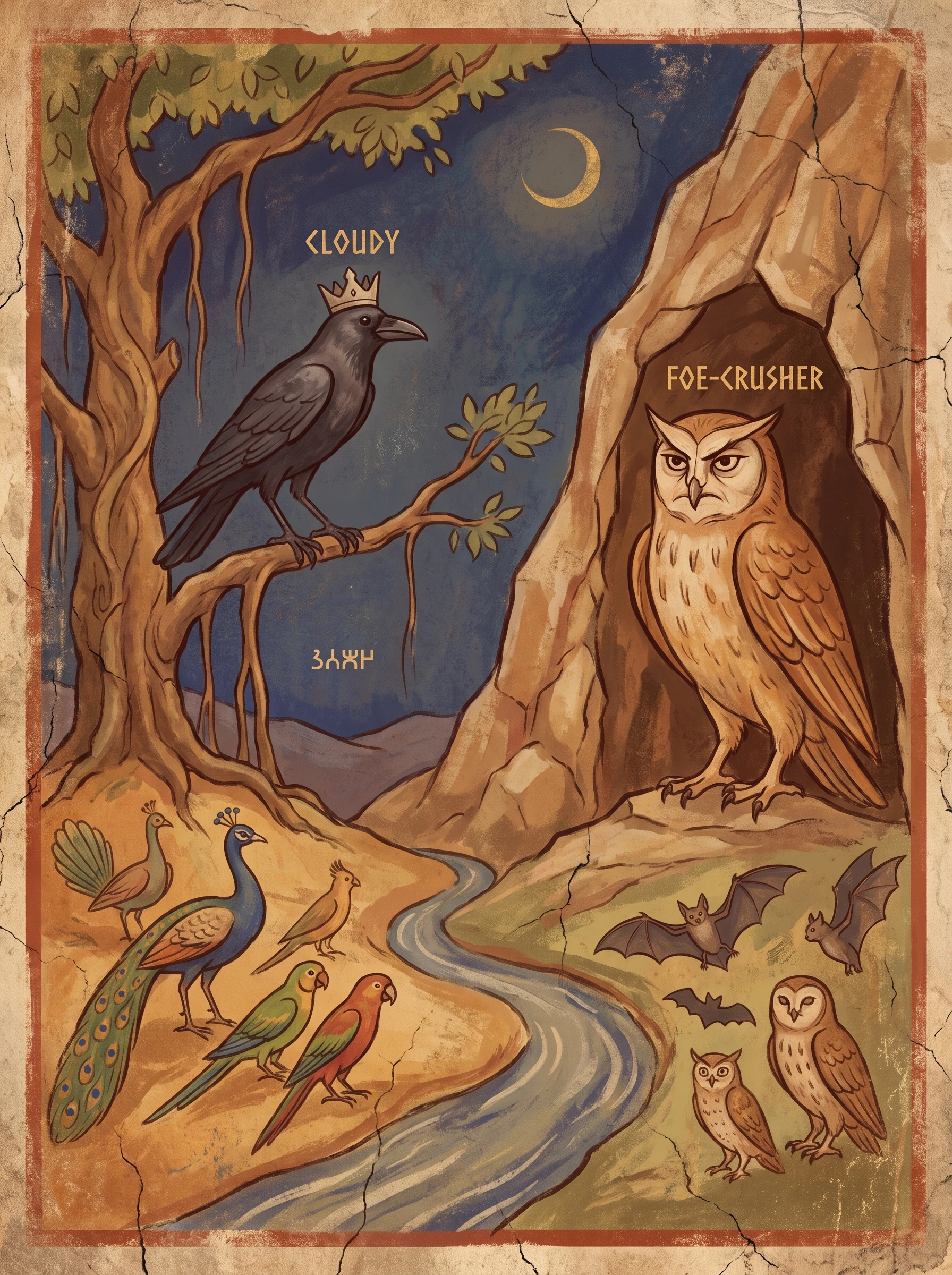
A study of war, peace, and the enemy within. The crows and the owls are hereditary foes, and the owls hold the advantage of night. The crows' wisest minister has himself plucked and left as an apparent traitor, so that the owls take him in — and from inside their stronghold he engineers their ruin. The book weighs the six strategies of statecraft — peace, war, marching, halting, alliance, duplicity — and the peril of trusting a defector too readily.
Loss of Gains
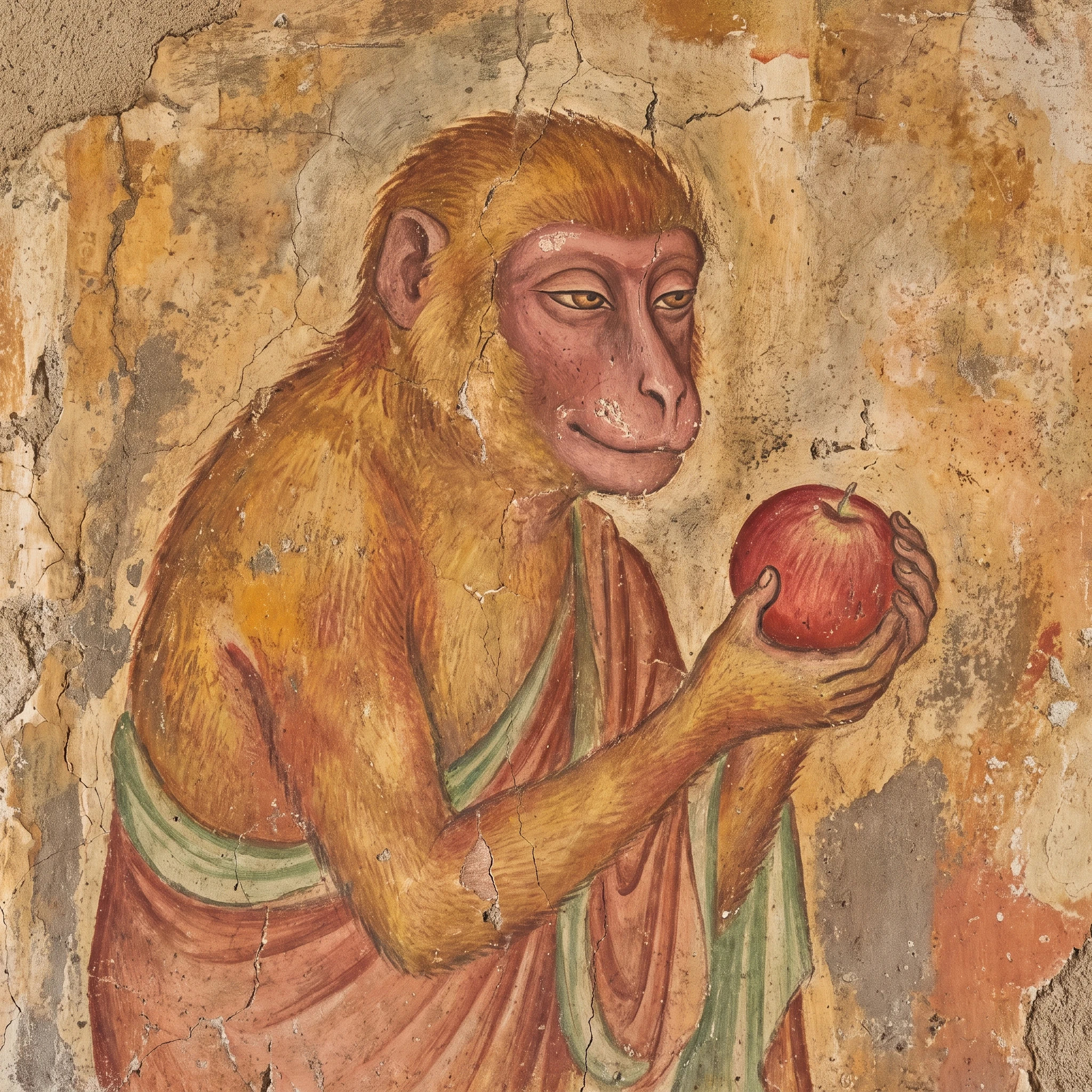
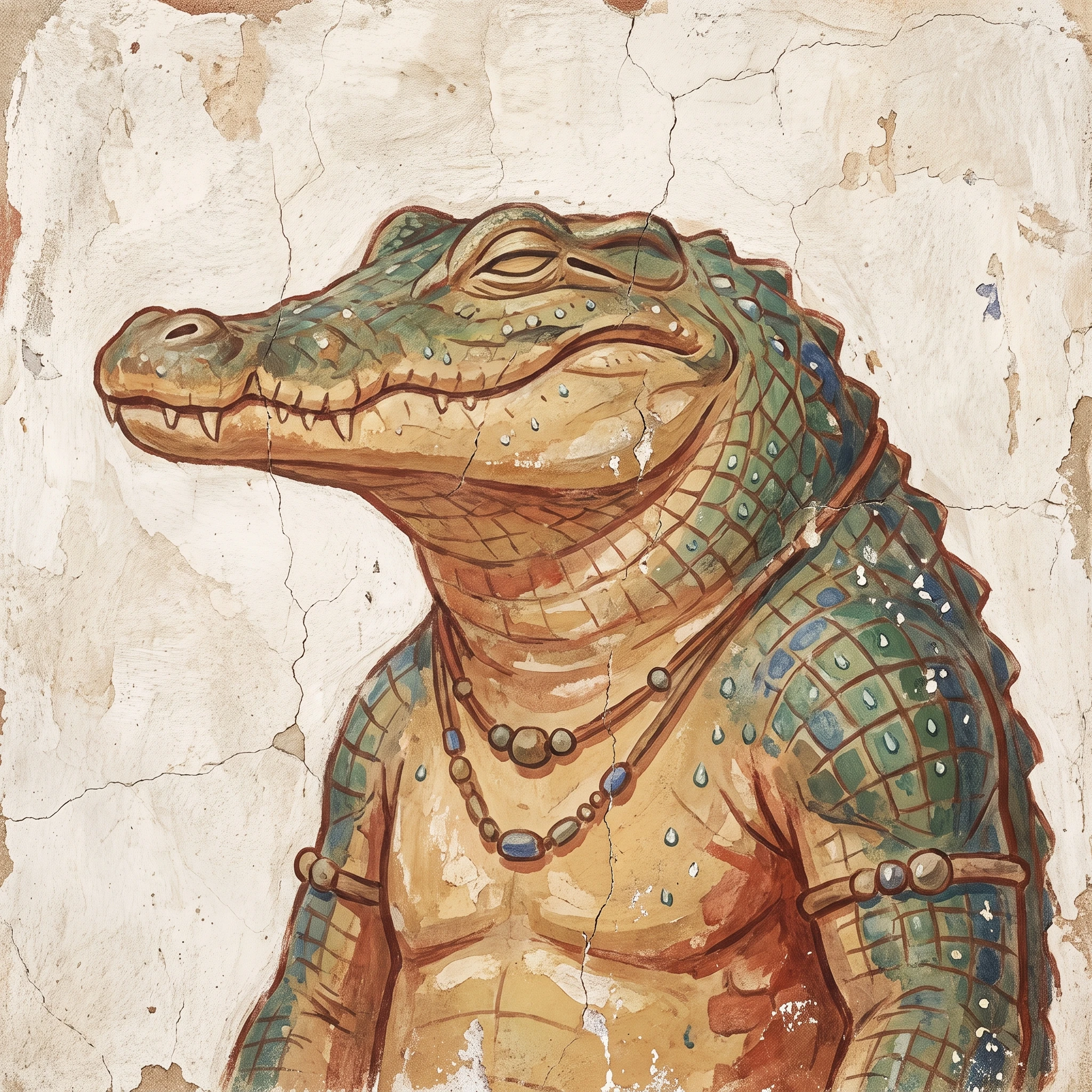
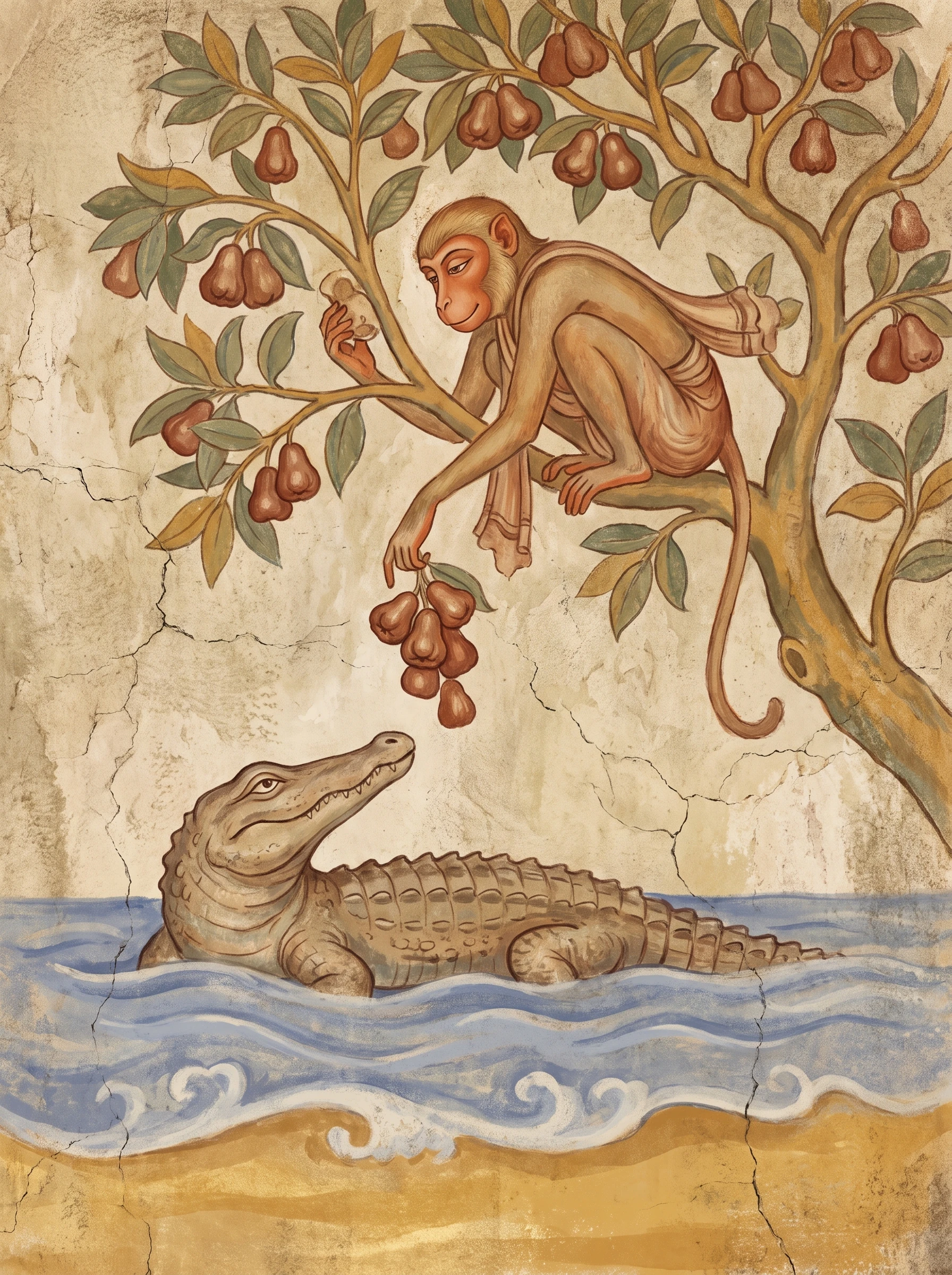
How a fool forfeits what he has already won. A monkey on a rose-apple tree befriends a crocodile, sharing the sweet fruit until the crocodile's wife conceives a craving for the monkey's heart. Invited across the water to dinner, the monkey realizes the plot mid-river and saves himself with a single quick lie — that he has left his heart back in the tree. The book turns on presence of mind: the gains you hold can be lost in a careless moment, and recovered only by wit.
Ill-Considered Action
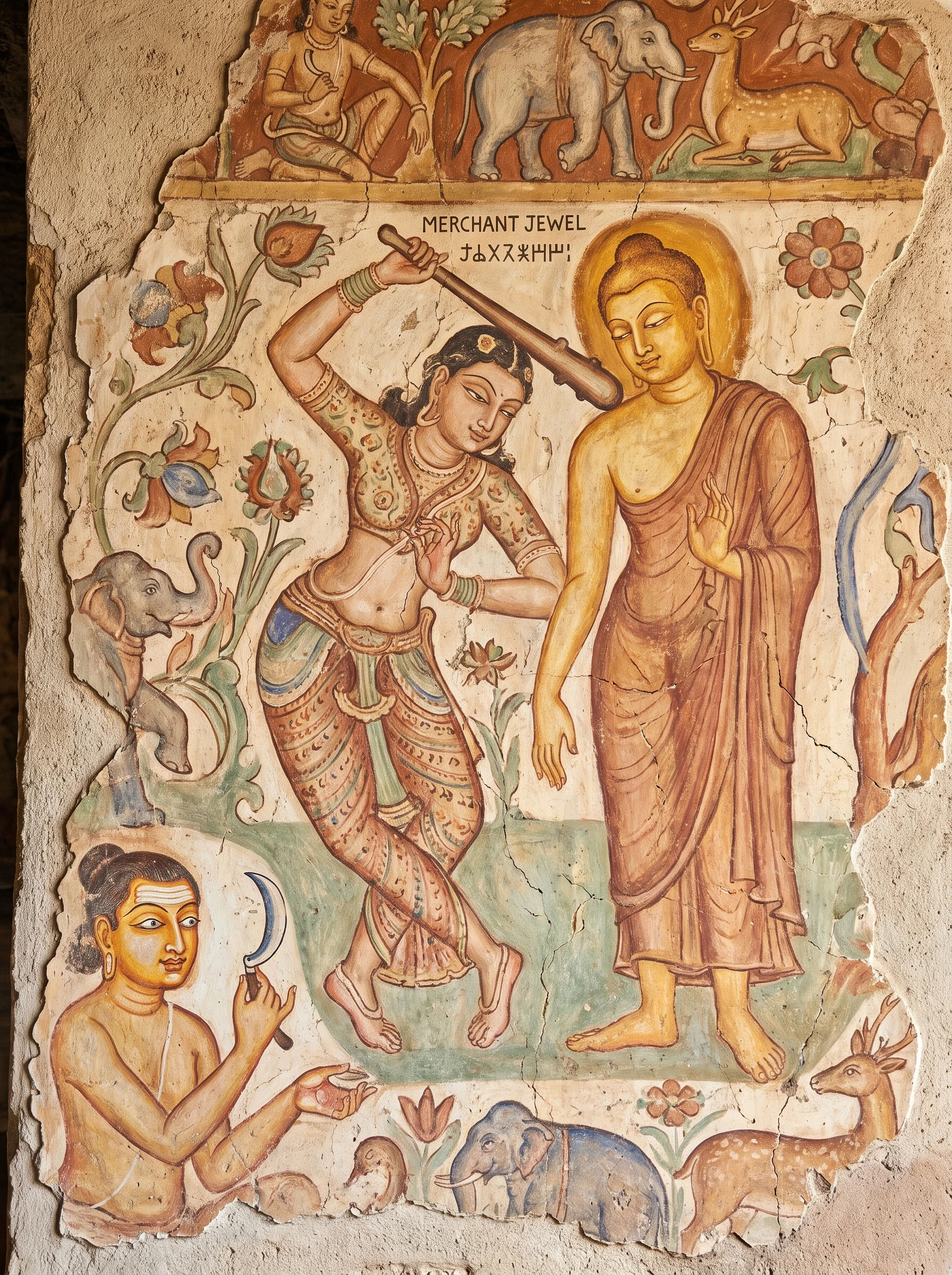
The shortest and sharpest book — and the one whose frame tale gives the whole collection its warning. A ruined merchant named Jewel, told in a dream to club a passing Jain monk, watches the monk fall as solid gold and restore his fortune. A barber who sees it grasps only the outward act, sets upon a company of monks in his greed, and is seized and punished for a deed he never paused to understand. Around this frame the book gathers tales of rash, unexamined action — most beloved among them the loyal mongoose, struck down in haste by the master it had just saved — all teaching one lesson: look before you leap.